Reliving the Power, Pride, and Prestige
OYO EMPIRE DAY 2026
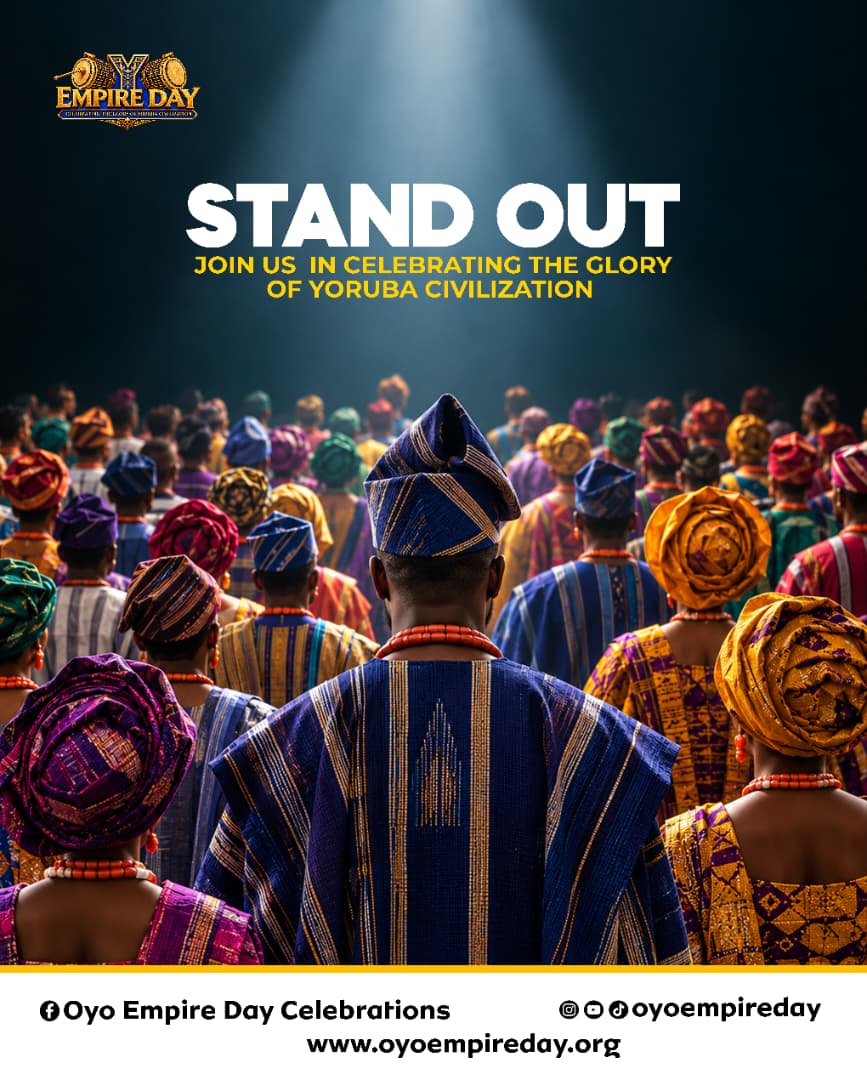
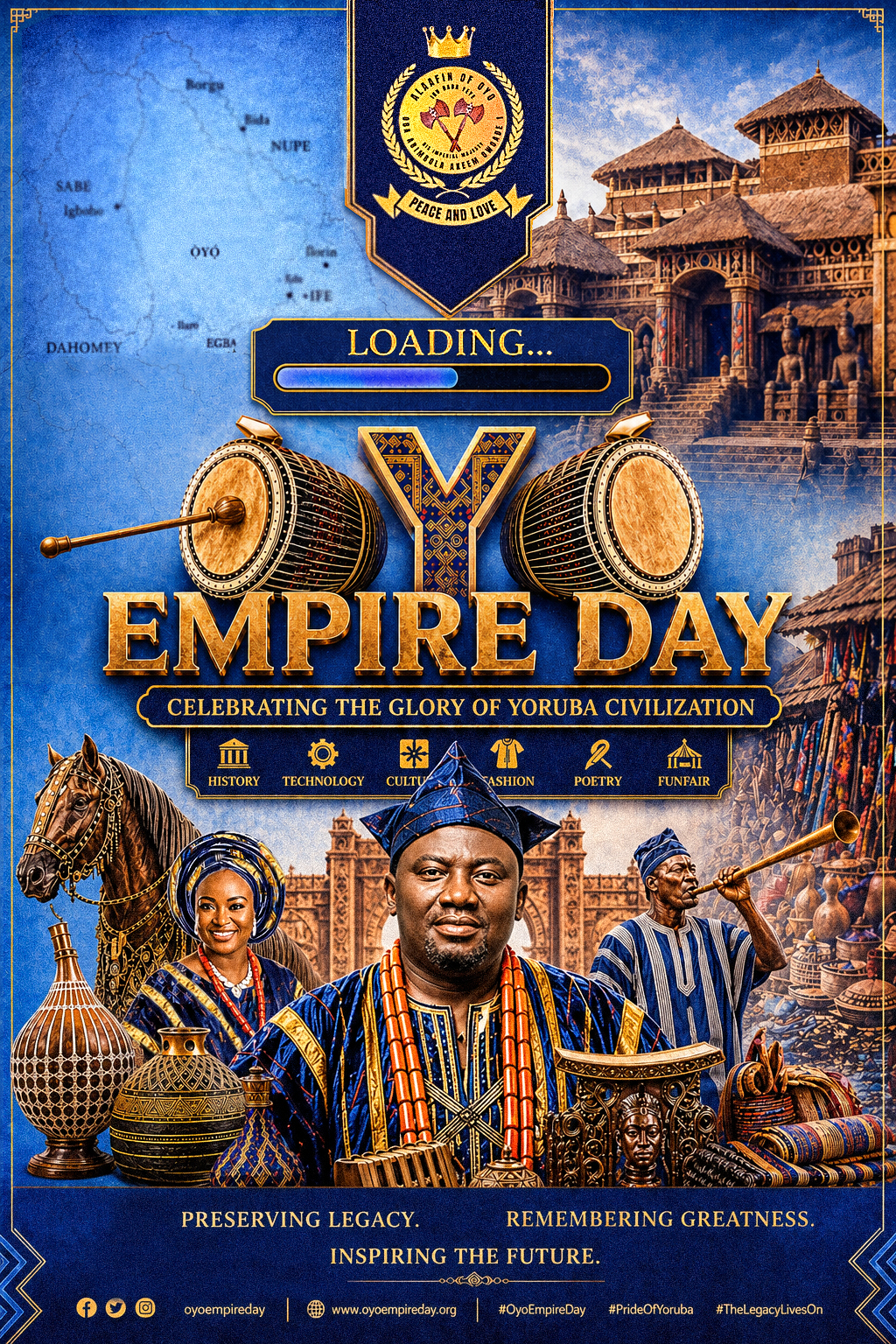
Step into a living legacy. Oyo Empire Day is more than an event—it is a cultural revival, a celebration of identity, and a bold reawakening of one of Africa’s most powerful empires.
ABOUT THE EVENT
A Celebration Rooted in Legacy
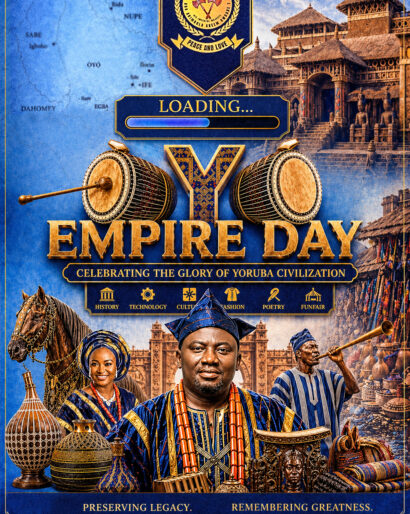
Oyo Empire Day is a grand cultural and educational experience designed to honor the history, influence, and enduring legacy of the Oyo Empire. Through immersive storytelling, traditional performances, and interactive experiences, we bring history to life in a way that resonates with today’s generation.
From royal traditions to marketplace vibrancy, this event connects the past to the present—creating a shared space for learning, pride, and cultural expression.
WHY OYO EMPIRE MATTERS
Heritage
Governance
Trade & Influence
Cultural Power
Recent News
A Platform for Culture, Knowledge, and Legacy
Beyond celebration, Oyo Empire Day serves as a platform for intellectual engagement, cultural documentation, and historical preservation.
Through curated exhibitions, scholarly discussions, and storytelling experiences, the event bridges tradition with modern inquiry—ensuring the legacy of the Oyo Empire is not only remembered, but understood and expanded.
What to Expect
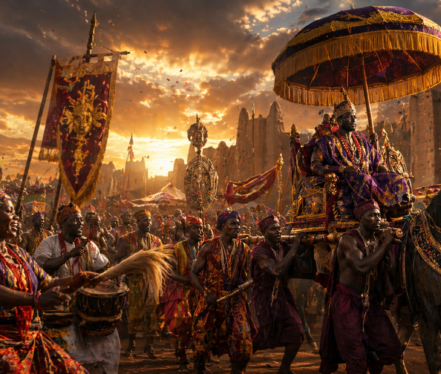
Royal Procession
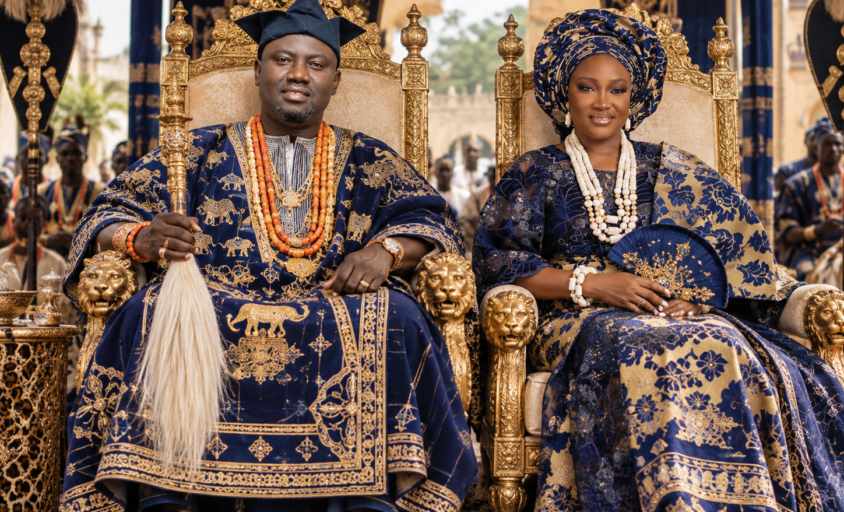
Witness the grandeur of royal tradition brought to life with ceremonial displays and regalia.
Cultural Performances
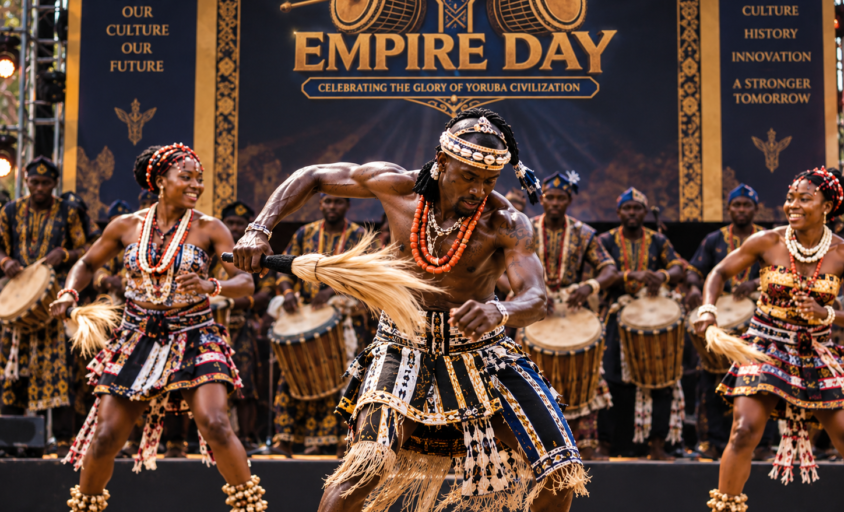
Experience music, dance, and storytelling that echo through generations.
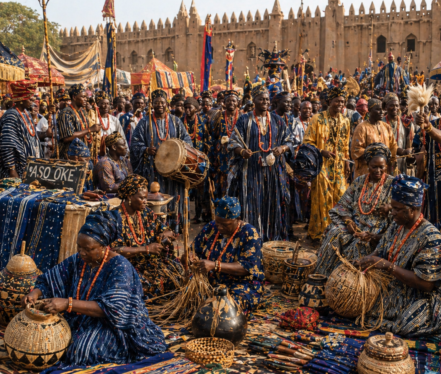
Marketplace Experience
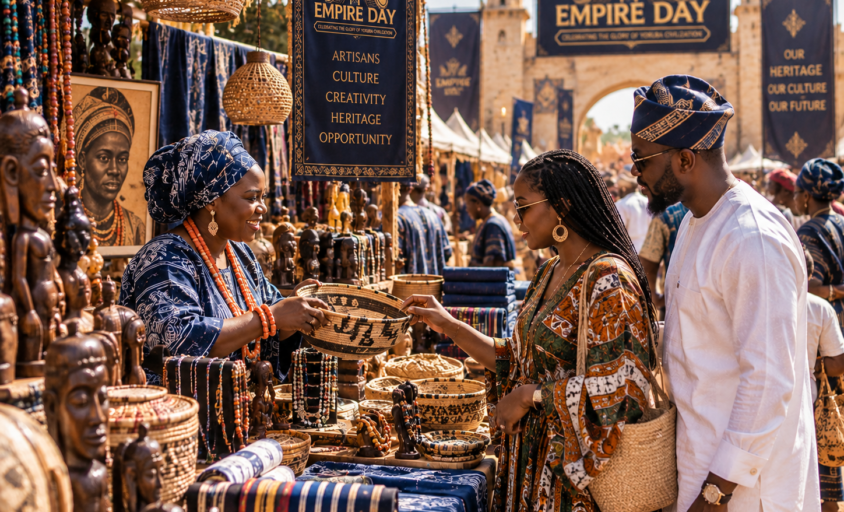
Explore a vibrant cultural market featuring crafts, textiles, and indigenous artistry.
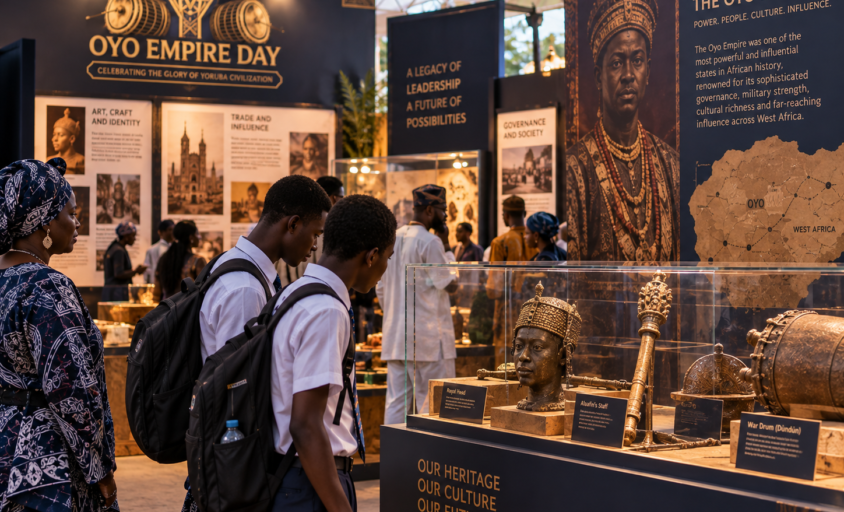
Educational Exhibits
Dive into curated historical narratives and interactive learning experiences.
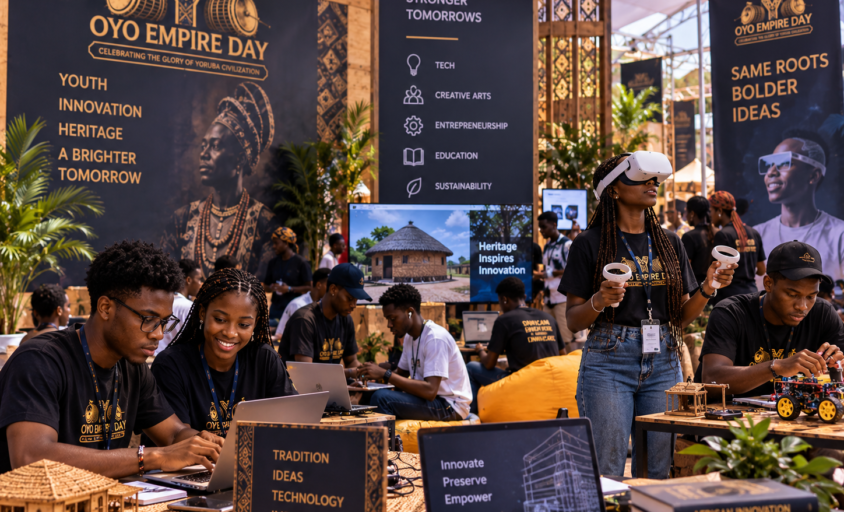
Youth & Innovation Zone
Bridging heritage with the future—where culture meets technology.
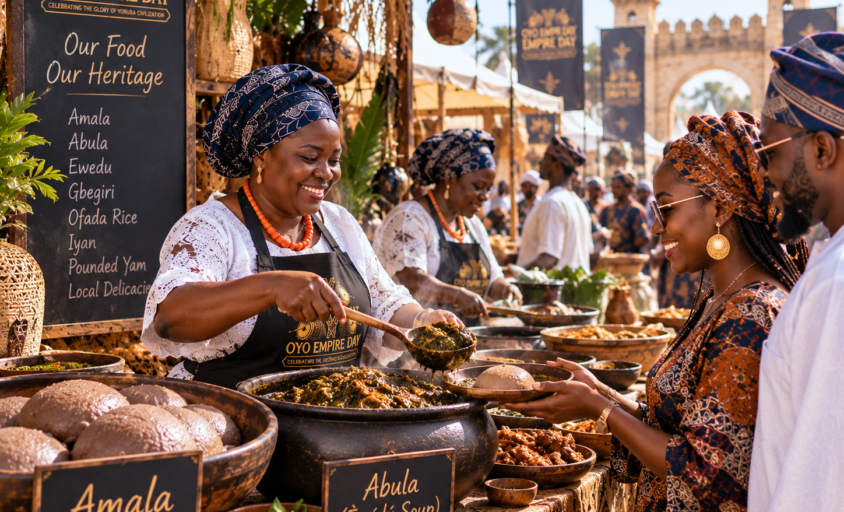
Food & Cuisine
Taste the flavors of tradition with authentic Yoruba delicacies.
Exhibit. Showcase. Be Part of the Experience.
Oyo Empire Day is more than a celebration—it is a curated cultural marketplace and experience platform.
From heritage fashion and crafts to culinary excellence and live cultural showcases, we invite creators, brands, and institutions to take part in building a vibrant festival environment rooted in excellence and authenticity.
Inspiring the Next Generation
Oyo Empire Day places young people at the heart of cultural continuity—empowering them as creators, storytellers, and innovators.
Through digital storytelling, creative competitions, and cultural innovation platforms, a new generation is equipped to carry the Oyo legacy forward.
COUNTDOWN
Countdown Until the Event.
Preserving Legacy
Remembering Greatness
Inspiring the Future
Preserving Legacy
Remembering Greatness
Inspiring the Future
Whether you are a culture enthusiast, educator, innovator, or proud custodian of heritage—Oyo Empire Day is your platform to connect, celebrate, and contribute.
Partners who collaborate with us
Oyo Empire Day Explained
70 Questions and Answers You Need to Know
What exactly is Oyo Empire Day Celebration, and what gap does it address?
An annual commemoration of Oyo's historical, institutional and cultural legacy, connecting related communities and promoting heritage, scholarship, tourism and development.
Why use “Oyo Empire” rather than simply “Oyo Day”?
Because Oyo's historical influence extended far beyond present-day Oyo-Atiba across Yorubaland and parts of West Africa.
Is this about the historical Oyo Empire, contemporary Oyo people, or both?
Both—using Oyo's historical legacy to engage contemporary communities and inspire modern development.
What does the Oyo Empire mean to an Oyo person today?
An ancestral legacy of statecraft, governance, military organisation, arts, identity and traditions such as Ọ́dún Beere.
Why celebrate Yoruba heritage and the Oyo legacy now?
To preserve endangered history, document oral traditions, engage the diaspora and turn heritage into educational and economic opportunities.
What does the theme mean?
“Celebrating Our Heritage, Preserving Our Legacy, Building Our Future” connects history with preservation, education, tourism and development.
What are the principal aims?
Scholarship, community connection, heritage preservation, tourism, economic development and diaspora engagement.
Who is the celebration designed for?
Oyo and Yoruba descendants worldwide, as well as scholars, tourists and everyone interested in Yoruba heritage.
How will it bring dispersed Yoruba people together?
Through traditional institutions, civic groups, academia, diaspora organisations and an annual homecoming.
What should attendees expect?
Royal pageantry, scholarship, historical reenactments, music, arts, food, heritage tours, trade and networking.
What makes it different from an ordinary cultural festival?
It combines celebration with research, heritage preservation, tourism and economic development.
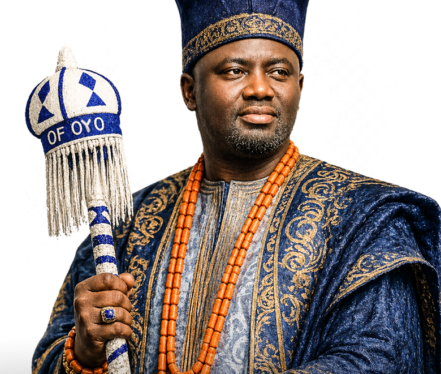
What role does the Alaafin play?
The Alaafin is the royal custodian and chief convener, providing traditional leadership and historical continuity.
How does the programme combine different sectors?
It connects traditional institutions, scholars, government, business, cultural organisations and the diaspora.
Is it suggesting Oyo people are superior to other Yoruba groups?
No. It celebrates Oyo's contributions while respecting every Yoruba community and its history.
Is it an attempt to revive Oyo as a political empire?
No. It is a cultural, historical, educational and developmental initiative within today's sovereign states.
Is it a political rally?
No. It is non-partisan and open to everyone.
Is it competing with other Yoruba festivals?
No. It complements existing festivals by focusing on Oyo's wider historical legacy.
Is it simply an Oyo Atiba celebration?
No. It covers the broader Oyo-Ile, Oyo-Igboho and Oyo-Atiba historical continuum.
Is Sango the central focus?
No. Sango is one important part of a much wider Oyo political, cultural and institutional history.
Is it trying to impose one version of Yoruba history?
No. It encourages dialogue between oral historians, scholars, archaeologists and other researchers.
Is Oyo claiming ownership of every Yoruba cultural tradition?
No. Shared heritage is recognised while each community's distinct traditions are respected.
Is it exclusively for people living in Oyo city?
No. It is for Oyo and Yoruba descendants across Nigeria, West Africa and the global diaspora.
Is it nostalgia or future-oriented?
Future-oriented: history provides the foundation for education, cooperation, innovation and development.
What does the “fall” of the Oyo Empire mean?
It means the decline of Oyo-Ile as the imperial capital; it did not mean the disappearance of Oyo or Yoruba civilisation.
Are modern Oyo and Yoruba people inheritors of that civilisation?
Yes. Its political, linguistic, artistic, commercial and traditional legacies continue across Yoruba communities.
How did the legacy survive?
Through migration, successor settlements, oral traditions, religious institutions and traditional governance.
What remains relevant today?
Oyo's traditions of governance, commerce, diplomacy, crafts, urban organisation and language.
How will you distinguish history from oral tradition?
By comparing oral accounts with written records, archives, archaeology and other evidence.
What role will scholars and traditional authorities play?
Traditional authorities provide cultural knowledge; scholars critically document and analyse it.
Must celebrating an empire mean romanticising it?
No. Oyo's achievements and historical conflicts must both be acknowledged.
Why should people outside Oyo State care?
Historical Oyo influenced areas across several present-day Nigerian states and neighbouring West African territories.
What is the basis for finding Yoruba/Oyo ancestry outside present-day Oyo State?
Population movements, lineage traditions, Oriki, dialects, military histories, chieftaincies and oral records.
How will different communities be accommodated?
Through regional exhibitions and platforms where communities present their own histories and connections.
Could it become a global homecoming?
Yes. Yoruba heritage across the Americas and global diaspora creates a strong basis for international participation.
How will you prevent it from becoming Oyo-Atiba centred?
By deliberately incorporating communities and histories from across the wider Oyo world.
How will different faiths be accommodated?
The celebration is civic and inclusive of Christians, Muslims and practitioners of indigenous traditions.
Why include traditions such as Egungun and Gelede?
They are important Yoruba cultural, artistic and ancestral institutions.
How does this show inclusiveness?
Different regional traditions receive space within the wider Yoruba heritage framework.
What role will women, young people and the diaspora play?
Women, youth and diaspora communities will contribute through culture, research, technology, creativity, investment and knowledge.
How do you prevent culture from becoming mere entertainment?
By linking performances and exhibitions to scholarship, documentation, education and preservation.
What tangible benefit goes beyond three days?
Research, scholarships, heritage conservation, museum development, trade networks and diaspora partnerships.
Can it stimulate tourism and economic development?
Yes. It can benefit hospitality, transport, food, crafts, media, publishing and other businesses.
What is the vision for the Museum and Hall of Fame?
A modern heritage and research centre preserving artefacts, manuscripts, recordings and biographies.
How can it help preserve historical sites?
By documenting, promoting and advocating protection for sites such as Oyo-Ile, battlefields, walls and royal burial grounds.
What opportunities can it create for local businesses?
Greater patronage for hospitality, transport, catering, Aso-Oke, crafts, photography, publishing and event services.
How can Oyo become a cultural-tourism destination?
Through annual heritage programming, better infrastructure, trained guides, site preservation and global digital promotion.
What should Oyo Empire Day look like in 10 or 20 years?
A globally recognised heritage institution with research, museums, tourism infrastructure and international participation.
How is the celebration being funded?
Through sponsorships, philanthropy, private partnerships, cultural foundations, heritage funds and voluntary contributions.
Why seek substantial sponsorship?
To fund security, medical services, research, publications, media, hospitality and heritage activities.
How will funds be managed transparently?
Through professional accounting, auditing, financial oversight, disclosures and clear governance.
How will sponsors be acknowledged?
Through promotional materials, publications, branded spaces, digital recognition and heritage awards.
How will commercial interests be prevented from taking over?
Academic and cultural oversight will protect the integrity of historical and cultural content.
What is the role of the CWC?
To coordinate the programme, committees, finances, logistics, media, protocol, diaspora affairs and risk management.
Is another cultural celebration necessary?
It provides a dedicated platform for Oyo's historical, institutional and academic legacy while complementing existing festivals.
What is the biggest misconception?
That it seeks Oyo dominance. Its stated purpose is a shared historical and cultural platform.
What historical claim deserves the greatest scrutiny?
Territorial boundaries and tributary relationships require continuing scholarly examination.
What happens when scholars disagree with traditional accounts?
The differences should be examined through open scholarly dialogue and evidence.
How do you prevent pride becoming exclusionary?
By celebrating Oyo while respecting other cultures and communities.
What would constitute failure?
If it becomes only entertainment without lasting scholarship, preservation, development or institutional continuity.
What measurable evidence would show success?
Research publications, tourism growth, preserved sites, diaspora participation and lasting heritage institutions.
What future is Oyo Empire Day trying to build?
A historically informed, culturally grounded and economically connected Yoruba future.
If the Empire disappeared politically, how is its legacy still alive?
Through language, institutions, traditions, arts, values, governance practices and ancestral lineages.
What should a young Yoruba person take away?
That they inherit a major legacy of statecraft, diplomacy, law, urbanisation and creativity—and must preserve and innovate upon it.
What about people who see this as glorifying the past?
History should examine both achievements and failures to inform the future.
Explain Oyo Empire Day to international media in one sentence.
Oyo Empire Day is an international historical homecoming and development platform celebrating Oyo's legacy while promoting scholarship, heritage preservation and economic progress across the Yoruba world.
Is it a festival, homecoming, historical project, cultural movement, or tourism initiative?
It is all five: a heritage platform combining homecoming, scholarship, culture, tourism and development.
When the Empire disappeared politically, did Oyo disappear?
No. Oyo's political authority was reconstituted at Oyo-Atiba, while Oyo populations and military leaders established or strengthened settlements across the region.
What do communities such as Ilaro, Ede, Oṣogbo, Iseyin, Igboho, Modakeke, Ibadan, Ogbomoso, Jebba and Shao stand to gain?
They can document their histories, attract heritage and tourism investment, gain academic attention and strengthen regional cooperation.
Is Oyo Empire Day about bringing these cities under Oyo or taking away their identities?
No. Every community retains its identity. The celebration simply provides a wider platform for highlighting their historical connections and contributions.
What do you hope will remain after the 2026 celebration?
A lasting network of scholars, custodians, civic leaders and diaspora partners, alongside publications, preserved sites, educational programmes, museums and economic initiatives that continue into 2027 and beyond.
No questions match your search. Try a different word.


